Crime Scene Cleanup
Crime scene cleaning after police release the property, from blood to odor.
See crime scene cleanupYou can call for crime scene, death, hoarding, blood, sewage and other biohazard cleanup in ZIP 67202.

After crimes, deaths, accidents, a sewage backup or hoarding situations, biohazard cleanup means safe removal, disinfection and disposal of tissue, blood, bodily fluids and infectious or hazardous materials.
Bio cleanup, trauma cleanup, bio hazard cleaning and biohazard remediation describe the same work. Professional biohazard cleanup is more involved than deep cleaning. Technicians use personal protective equipment, locate every contaminated place, remove porous material that disinfection cannot save and treat affected areas until each reaches a livable condition.
Planning for access, containment and cleanup can depend on local population, housing and entry conditions.
The 94.8% renter share means many cleanup calls may involve lease responsibilities, building access, and approval from more than one person.
In housing built around 1960, a moisture check can help define how far sewage or cleaning water traveled.
Although the share is 21.3%, seniors living alone can still face delayed discovery after an illness, injury, or death.
The 5.8% single-family share makes early building layout checks useful for separating the affected unit from shared spaces.
If you cannot tell which page matches your circumstances, call or choose one of the services below.
Crime scene cleaning after police release the property, from blood to odor.
See crime scene cleanup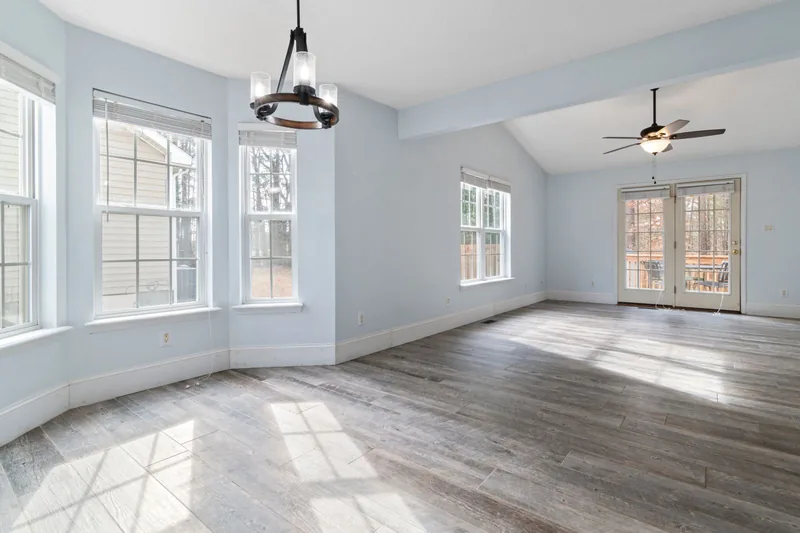
Cleanup after an undiscovered death includes odor control and the effects of days of decomposition.
See unattended death cleanup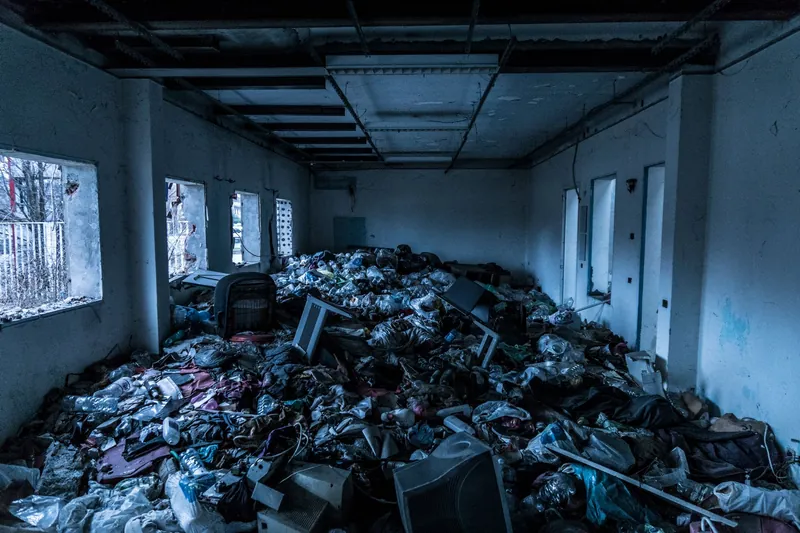
Deep cleaning, respectful sorting and removal are all part of hoarding cleanup.
See hoarding cleanup
Blood cleanup clears blood from furniture, walls, hard floors and carpet, followed by safe disposal.
See blood cleanup
Sewage cleanup removes Category 3 black water from raw sewage, then disinfects and dries the area.
See raw sewage cleanup
At the source, death odor removal uses air scrubbers plus hydroxyl and ozone treatment.
See death odor removalEvery link leads to that service's closest location page unless only the main city page is available.
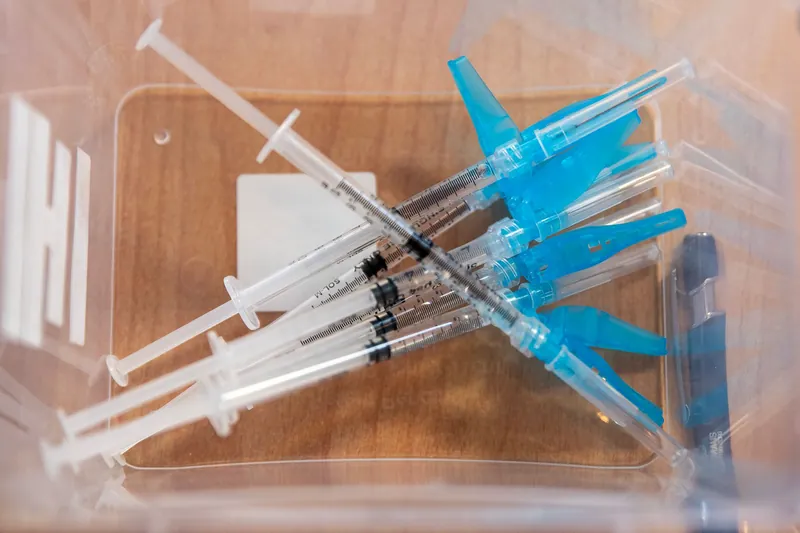
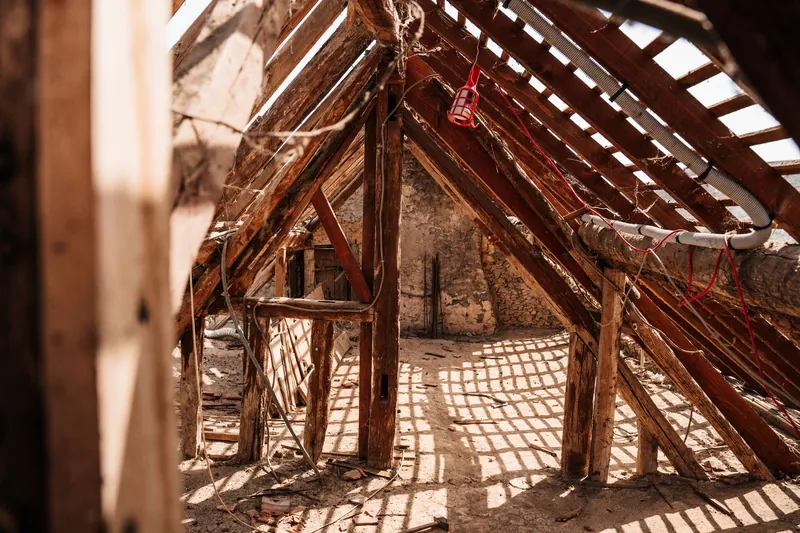
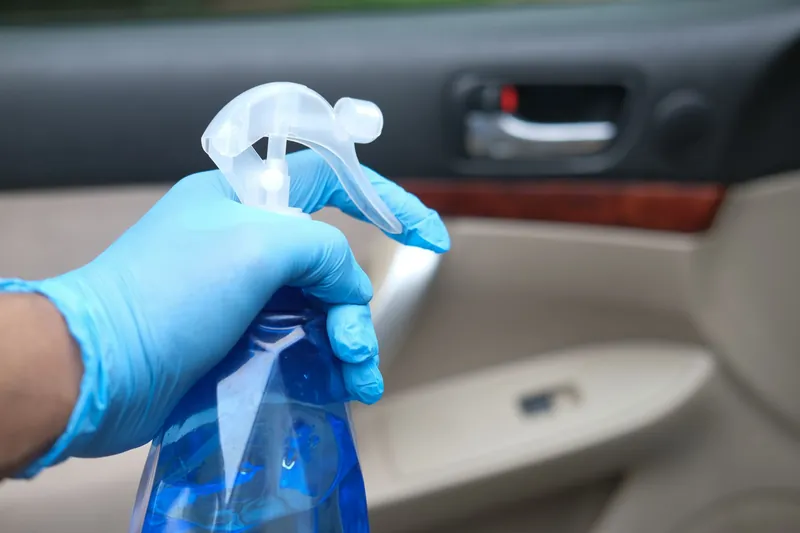
This is a one-time experience for most people. Following the right opening steps helps protect your health while preserving your claim and cleanup cost.
Call (888) 440-9227Typical national pricing for biohazard cleanup runs $3,000 to $5,000 in the Fixr guide. The price moves with the type of job. Minor blood cleanup is listed at $500 to $2,500, while a sewage backup is listed at $2,000 to $10,000. The final price follows an on-site assessment.
Yes, often. After a sudden death, crime or sewage backup, homeowners or renters insurance often covers biohazard cleanup minus your deductible.
Victims of violent crime can ask the Kansas Crime Victims Compensation Board, part of the Attorney General's office, about crime scene cleanup. State law lists cleanup as an allowance expense under the compensation program. Insurance is usually checked first.
Insurance generally covers events that are both sudden and accidental. Hoarding and long-term neglect usually are not. Ask your insurer before work starts.
In rental units and common areas, the owner or property manager usually arranges and pays for cleanup.
Death cleanup costs can often be covered by the estate. The executor or a family member usually takes care of this.
Phone support stays available. You can ask a cleanup specialist what happens next.
Biohazards are real health hazards that can make people seriously ill, and the contamination you can see is rarely all of it.
Although bleach and sprays may clean on top, absorbed fluids remain in drywall, subfloor, carpet and its pad. Contamination left behind causes bacteria and odors to return, so decontamination services take out the source.
Fluids, gases and bacteria from decomposition can penetrate flooring and move into other rooms through ventilation.
Hepatitis C and B, along with HIV, can survive in blood. According to the CDC, hepatitis B remains viable on surfaces for at least seven days.
Hepatitis A, salmonella and E. coli travel in raw sewage, while materials left wet may develop mold in 24 to 48 hours.
Emergency service calls are answered day and night, and crews arrive in unmarked vehicles so neighbors and building staff do not know what happened.
Before removal begins, you learn the cleanup plan, every step and the factors that shape the price. Expect no pressure or surprises.
Documentation for your insurance company, landlord or state victim program includes photographs, scope details and waste records.
You and your family receive care during a difficult time, without judgment about neglect or hoarding. Keepsakes, photos and documents are set aside for you.
From the initial call through the last inspection, the biohazard cleanup process follows a consistent order designed for safety.
You start by describing the situation. Technicians inspect the scene, photograph it and agree the scope with you.
The affected area is sealed off with plastic sheeting so contamination does not spread to other rooms.
After infectious materials soak into carpet, pad, drywall or similar porous items, the affected pieces are removed and sealed for medical waste, so no affected material is left behind.
Cleaning every surface is followed by treatment with hospital-grade, EPA-registered disinfectant.
Odor is treated at the source with air scrubbers, hydroxyl or ozone, and vents are checked.
Tracking paperwork follows sealed waste to a permitted facility where medical waste is treated.
Where needed, ATP testing helps check that the space has returned to a livable condition. You also get photographs and documentation for your claim.
Your own contractor or a vendor working with your insurer can replace any removed drywall or flooring.
Crews arrive in unmarked vehicles and keep noise to the level the building allows. You may need a property manager to organize entry into shared spaces.
For the rental unit or common area, the owner commonly coordinates cleanup. Your insurer can tell you which costs your policy may cover.
Published national ranges are a starting point. Your price is determined by the cleanup company once affected materials, rooms and disposal needs have been assessed.
After police, a medical examiner, coroner or another authority releases your property, cleanup can start at the time you arrange with the crew.
Someone answers calls 24 hours a day. Your cleanup start time is based on access, release of the scene and crew availability.
Someone answers your call 24 hours a day, on weekends and holidays too.